
•Dr Priscilia Imade
Welcome to the month of November, our focus will be on diabetes and how it affects the eyes.
When you think about diabetes, you probably focus on how it affects your blood sugar, your diet, or your energy level.
But have you ever stopped to consider what it might be doing to your eyes? If you live with diabetes, your eyes are among the most vulnerable organs in your body and without proper care, you could slowly lose your sight without even realising it.
This condition is known as diabetic eye disease and it remains one of the leading causes of vision loss among adults worldwide.
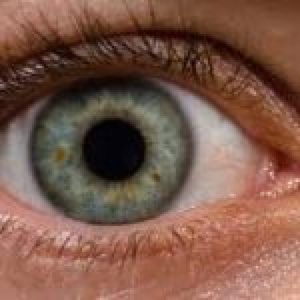
WHAT IS DIABETIC EYE DISEASE?
Diabetic eye disease is not just one single problem , it is a group of eye conditions that occur because of the damage high blood sugar causes to the delicate blood vessels and structures inside your eyes.
When your blood sugar remains high for a long period, it begins to weaken and damage the tiny vessels that nourish your retina, the light-sensitive layer at the back of your eye responsible for clear vision. This damage can lead to diabetic retinopathy, diabetic macular edema, diabetic cataract and diabetic glaucoma, all of which can reduce your ability to see clearly.
EFFECT OF DIABETES ON THE EYES
Every time your blood sugar spikes, the small vessels in your retina swell and leak fluid. At first, you may not notice anything unusual, your vision may still appear normal.
But silently, the tiny blood vessels begin to close off, starving parts of your retina of oxygen. In response, your eye tries to grow new vessels to make up for the loss, but these new vessels are fragile and abnormal. They can bleed, scar, or pull on the retina, leading to retinal detachment or permanent blindness.
In other cases, fluid may leak into the central part of your retina (the macula), causing macular edema, a condition that blurs your central vision and makes reading or recognising faces difficult.
High blood sugar can also make your eye lens cloudy, leading to early cataract formation, or increase the pressure inside your eye, resulting in glaucoma.
NO EARLY SYMPTOMS
One of the most dangerous things about diabetic eye disease is that it often develops without symptoms in the early stages. You may not feel pain, and your vision may remain clear until the disease is already advanced.
By the time you notice blurring or dark spots, significant damage may have occurred.
That is why it is vital for you to have a comprehensive dilated eye examination at least once a year, even if you think your eyes are fine.
PROTECT YOUR EYES
The good news is that most cases of diabetic eye disease can be prevented or slowed down if you take charge of your health early.
Here are the things you can do:
1) Keep your blood sugar, blood pressure, and cholesterol under control.
2) Have your eyes examined annually by an optometrist or ophthalmologist familiar with diabetic eye care.
3) Report any changes in your vision immediately, such as blurriness, dark spots, or difficulty focusing.
4) Eat balanced meals, stay hydrated, and avoid smoking.
5) Exercise regularly, as recommended by your doctor.
By doing these, you give your eyes the best possible protection from the silent damage diabetes can cause.
Your eyes are not just windows to your world, they are also mirrors of your health.
The state of your retina often reflects what is happening to the rest of your body. When you care for your eyes, you are also caring for your heart, kidneys, and overall well-being.
At Modern Eye Clinic, we believe that every person living with diabetes deserves the chance to see clearly, live fully, and enjoy a life free from preventable blindness.
Finally, If you are living with diabetes, never assume that good vision means healthy eyes. Your sight can be silently slipping away without your awareness. Take this as your reminder to act now , book your Vision Preservation Eye Test today. With early detection and proper management, you can protect your sight for life.
*Dr Priscilia Imade is CEO, Modern Eye Clinic, Lagos. E-mail: moderneyecliniclagos@gmail.com
Another edition of the column returns on Monday in The Frontier.