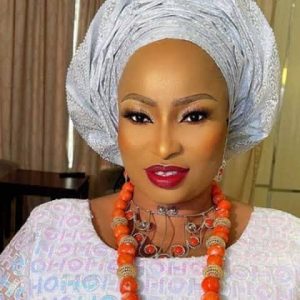
•Dr Priscilia Imade
Last week we started our discussion on Avoidable Blindness for the month of April.
This week we will discuss the different types of blindness and how you can avoid them.

INTRODUCTION
Blindness is a term most people associate with total loss of sight but in reality, there are different types of blindness. Some people may see a little, while others may not see anything at all. Understanding the types of blindness can help us recognise early signs, support affected individuals and take steps to protect our own vision.
COMMON TYPES OF BLINDNESS
1. Total Blindness
This is when a person cannot see anything at all not even light. It means complete loss of vision in both eyes. People with total blindness often rely entirely on touch, hearing and other senses to navigate the world. It is not very common but can happen due to severe eye diseases or serious injury to the eyes or brain.
2. Partial Blindness (sometimes called Low Vision)
Some people are not totally blind but have very poor vision. They may not be able to see clearly enough to read, recognise faces or move around safely without help. Partial blindness may come in different forms, such as:
• Blurred vision (like looking through a foggy window)
• Tunnel vision (seeing only what is directly in front but nothing to the side)
• Blind spots (parts of the vision are missing).
All these can be caused by conditions like cataracts, glaucoma or diabetic eye disease.
3. Night Blindness (Medical Name: Nyctalopia)
People with night blindness struggle to see in low-light or dark conditions such as at dusk or during the night. It does not mean they are blind, but their vision is very poor in dim lighting. Night blindness can be caused by:
• Vitamin A deficiency
• Certain inherited eye diseases (like retinitis pigmentosa) or
• Cataracts (clouding of the eye’s lens).
4. Colour Blindness
Colour blindness is the inability to see some colours correctly. It is not actual blindness but a problem with colour perception. Most people with colour blindness have trouble telling the difference between red and green or blue and yellow. It is usually inherited (passed down in families) and more common in men. Some people may not realise they are colour blind until they are tested.
5. Legal Blindness
This is a term used by doctors and governments or by law to define when a person is officially considered blind, even if they can still see a little. A person is legally blind if:
• Their best-corrected vision (with glasses or contact lenses) is very poor (for example, they can only see at 20 feet what others can see at 200 feet) or
• Their side vision is very limited (less than 20 degrees of field of view).
This classification helps people access support services, special learning tools and disability benefits.
6. Sudden Blindness
This is when a person loses his/her vision suddenly, within minutes or hours. It may affect one or both eyes. It is a medical emergency and can be caused by:
• Retinal detachment (when the back part of the eye comes loose),
• A stroke affecting the part of the brain responsible for vision
• A serious eye infection or trauma, or
• Acute (sudden) or closed angle glaucoma, where the pressure inside the eye rises very fast and damages the optic nerve.
Immediate medical attention is needed to save sight in these cases.
7. Congenital Blindness
This is blindness that is present at birth. It can happen if:
• A baby’s eyes do not develop properly in the womb
• There is an infection during pregnancy (like rubella) or
• There is a birth injury or inherited eye condition.
Children born with congenital blindness need early support and special education to help them develop their other senses and learn effectively.
8. Acquired Blindness
This refers to blindness that develops later in life. It can happen gradually or suddenly and may be caused by:
• Diseases like diabetes, glaucoma or untreated cataracts,
• Accidents or injuries
• Long-term exposure to harmful light or chemicals or
• Poor eye care or neglect.
Many cases of acquired blindness can be prevented with regular eye checkups and early treatment.
9. Cortical Blindness
Sometimes the eyes are perfectly healthy but a person cannot see because the part of the brain that processes vision (called the occipital lobe) is damaged. This is called cortical blindness. It can happen due to a brain injury, stroke or serious infection. People with cortical blindness may not even realise they cannot see properly, because the brain is not interpreting the visual signals correctly.
10. Functional Blindness
In some rare cases a person may have normal eyes but still experience vision loss due to psychological or neurological reasons. This is called functional blindness. It may be related to stress, trauma or mental health conditions. Proper diagnosis and psychological support are important for such cases.
PREVENTION
1. Attend regular eye checkups early detection of eye problems can save your sight.
2. Control health conditions like diabetes and high blood pressure, which can damage the eyes.
3. Eat a healthy diet rich in vitamin A, leafy greens, fruits and omega-3 fatty acids to support eye health.
4. Protect your eyes from injury by wearing safety glasses at work and UV-protected sunglasses outdoors.
5. Avoid harmful practices like self-medication and unapproved traditional eye treatments.
6. Seek immediate help for any sudden change in vision time is important in preventing permanent damage.
7. Expectant mothers should attend antenatal care, avoid harmful substances and protect themselves from infections to prevent blindness in newborns.
8. Supporting mental and emotional health stress or trauma can sometimes cause vision issues that need medical and psychological care.
9. Get children screened early to detect inherited conditions like colour blindness or congenital vision problems.
CONCLUSION
Blindness is not just “all or nothing.” It exists in many forms and can affect anyone, young or old. Some types of blindness are preventable or treatable if detected early. That is why regular eye checkups, proper nutrition, eye protection, and public awareness are the key to saving sight.
If you or someone you know is having trouble seeing, do not ignore. Visit a qualified eye care professional today. Early detection can make all the difference.
*Dr Priscilia Imade is CEO, Modern Eye Clinic, Lagos. E-mail: moderneyecliniclagos@gmail.com Another edition of the column returns on Monday in The Frontier.