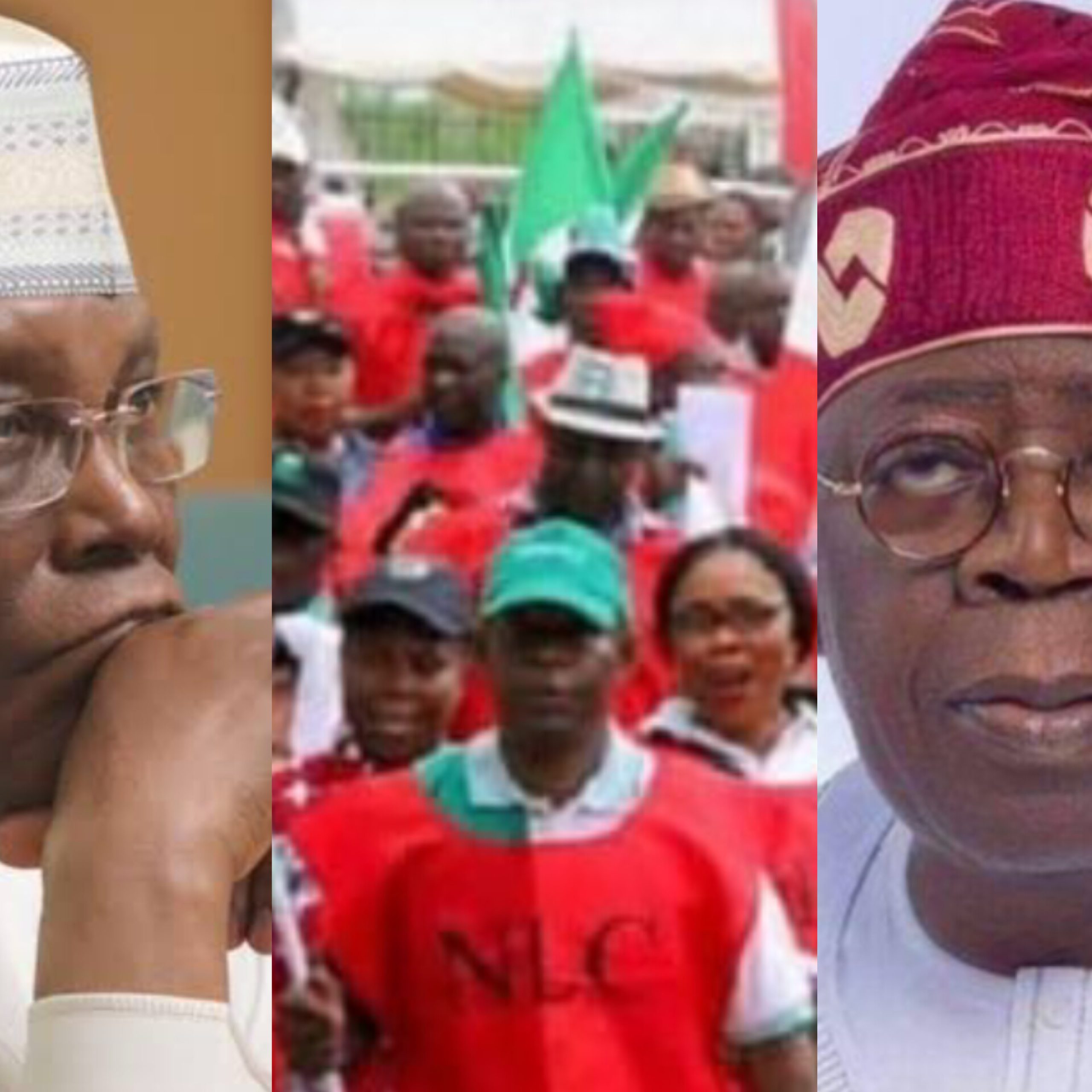
•Atiku, Nigerian workers and Tinubu
Former Vice President Atiku, on the occasion of this year’s workers’ day, said that Nigerian workers have been promised renewed hope and received instead renewed hardship.
The African Democratic Congress (ADC) chieftain, in a message addressed to the workers yesterday to commemorate the workers’ day, noted that the workers have experienced broken promises and shattered hopes under President Bola Tinubu-led administration.
The message reads, “Every first day of May, nations across the world pause to honour the dignity of labour and the men and women whose sweat and toil sustain civilisation. In Nigeria, Workers’ Day has always carried a particular poignancy, a moment to celebrate the resilience of a workforce that endures much and receives little.
“But as we mark this year’s commemoration, I write not with celebration in my heart, but with grief. Grief for the Nigerian worker who was promised renewed hope and received instead renewed hardship.
“Renewed Hope’ – those two words carried the dreams of millions of Nigerians who trooped to the polls in 2023.
They were words that promised a departure from the suffering of previous years; a promise that the government would finally work for the people.
Today, as we assess nearly three years of the Tinubu administration, it is painfully clear that what was renewed was not hope, but hardship. What was refreshed was not the fortunes of the Nigerian people, but the pockets of those in power.
“The Nigerian worker – the teacher, the nurse, the factory hand, the civil servant, the artisan, has been the primary victim of an administration that, by all observable evidence, is far more interested in increasing the revenue at its disposal than in improving the lives of the citizens it governs.”
According to the former vice president, trillions have been saved from fuel subsidy removal but nothing has been felt by the citizens.
“The fuel subsidy removal was a necessary step, recklessly executed. Let me be clear: the removal of the fuel subsidy was, in principle, a policy that many, including myself, had long advocated.
The subsidy had become a fiscal haemorrhage that enriched cabal middlemen while denying the government of the resources needed for development. Its removal was necessary and overdue.
“But the manner in which the Tinubu administration executed this policy was irresponsible and callous.
On the day of inauguration, with no preparation, no safety nets, no cushioning mechanisms, and no transition plan for ordinary Nigerians, the president announced the end of the subsidy.
The price of fuel skyrocketed. Transportation costs doubled and tripled overnight. The cost of food and basic goods hit the roof.
The Nigerian worker, who was already struggling to survive on a salary eroded by years of inflation, was suddenly confronted with a cost of living that made mere survival feel like a luxury.
“A responsible government would have spent the preceding months preparing Nigerians for this transition, establishing social safety nets, empowering the most vulnerable, and ensuring that the pain of reform was shared equitably.
“This administration did none of that. It simply removed the subsidy and left the Nigerian worker to drown.”