•Crude oil pipeline
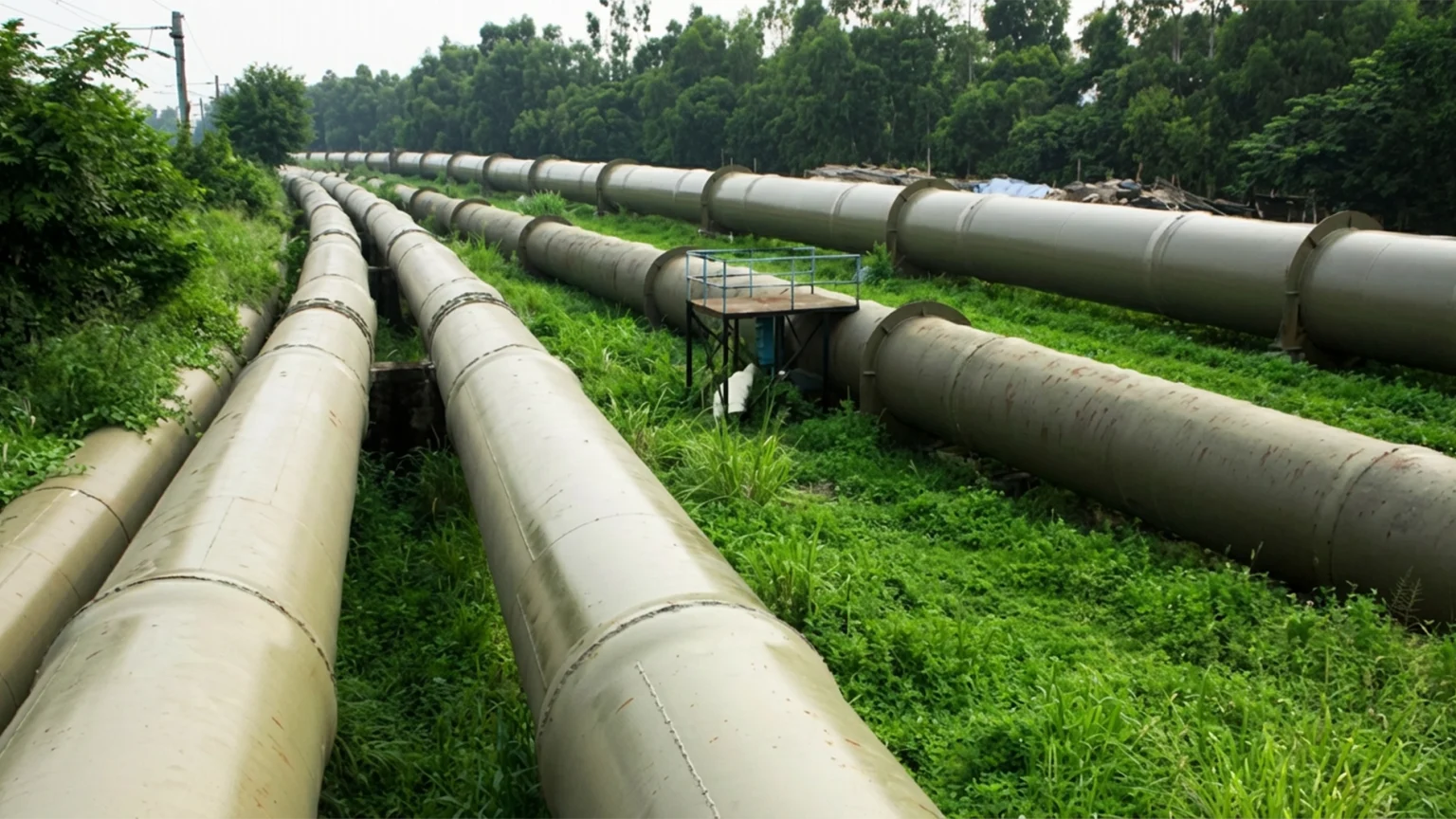
Aviation Safety Roundtable Initiative (ASRTI) has called on the federal government to adopt a fuel-for-stability programme that will allocate crude oil directly to local refiners to produce aviation fuel.
The group said it would eliminate the alleged N60 billion subsidy scheme to the airlines and provide lasting relief to Nigeria’s struggling aviation sector, including other operators in the industry, reports The Guardian.
President of ASRTI, Ademola Onitiju, proposed a statement to aviation journalists yesterday.
He argued that the soaring cost of Jet A1 fuel was the single biggest threat to the sustainability of domestic airline operations.
According to him, Jet A1 prices had remained between N1,650 and N2,037 per litre, pushing fuel costs to nearly 50 per cent of airline operating expenses and forcing carriers to increase ticket fares beyond the reach of many Nigerians.
He criticised the federal government’s previous intervention, which he said provided airlines with N60 billion in invoice discounts, saying the initiative failed to deliver any tangible benefits to operators, passengers or the wider aviation value chain.
He added that sectors linked to aviation, including cargo logistics, tourism and hospitality, had also failed to experience any meaningful growth from the intervention.
He said: “The defects are palpable! Jet A1 price has remained unchanged. Airline debts have not reduced. Neither have we seen passengers enjoy cheaper fares. The cargo logistics, tourism and hospitality sectors have not experienced growth.
“The aviation ecosystem — airlines, agencies, concessionaires, ground handlers — received no structural relief from that hollow N60 billion largesse.”
He maintained that affordable air travel would not only benefit passengers, but also stimulate market expansion, increase airline load factors and create economies of scale necessary for long-term sustainability.
Onitiju declared that a nation of over 220 million people should not continually operate an aviation market accessible only to a narrow segment of its population.
He cited countries such as India, Turkey, Indonesia and Brazil as examples of nations that transformed their aviation sectors through policies focused on fuel stability, affordability, traffic growth and operational efficiency.
While commending the federal government’s efforts to restore the confidence of global aircraft lessors and promote local aircraft maintenance capabilities, Onitiju maintained that more deliberate market-shaping policies were required to unlock the full potential of the aviation industry.
He insisted that strategic reforms aimed at reducing operating costs would make air travel more accessible, boost competitiveness and support broader economic development.
“Nigeria must learn from the examples of the United States, Latin America and Europe. Our focus should be on ecosystem transformation, not isolated activities that bring doubtful benefits.
“If adopted, the ASRTI model costs the government less and delivers industry‑wide recovery, affordability, and sustainable growth,” he added.
Meanwhile, following the U.S.-Israel and Iran war, which affected crude and refined product flows, the National President of Nigerian Society of Chemical Engineers, Bayo Olanrewaju-Alo, has urged President Tinubu to urgently prioritise diesel price relief for productive sectors.
Addressing journalists at the University of Lagos yesterday, he observed that diesel powers transportation, food distribution, manufacturing, telecoms infrastructure, hospitals and small and medium enterprises.
To this end, he suggested the government should enact strong regulations that would provide targeted relief for registered mass transit operators, food logistic providers and strategic productive sectors to reduce inflationary pressures.
In addition, he also stressed the need for the government to adopt temporary, transparent and targeted measures aimed at cushioning citizens’ plight.
To him, the present fuel price shock requires disciplined and strategic intervention rather than a return to fiscally unsustainable blanket subsidy.