
•Dr Priscilia Imade
The smart phone has become one of the most important tools in modern life. It wakes us in the morning, connects us to family and friends, runs our businesses, teaches our children, entertains us, and even helps us navigate our cities.
Many people now spend more time looking at a phone screen than they spend looking at another human face.
While this technology has brought convenience and productivity, it has also quietly introduced a growing health concern.
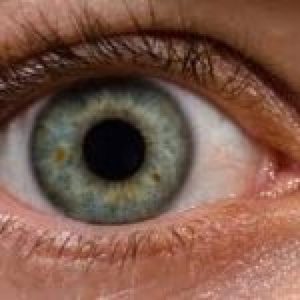
Your eyes were never designed to function the way we now use them. Some of the effects include:
DIGITAL EYE STRAIN: THE FIRST WARNING SIGN
The earliest effect of heavy smart phone use is digital eye strain. When you stare at a small screen for long periods, the focusing muscles inside the eye remain contracted continuously.
Like any muscle held in one position for too long, they become tired. People begin to notice headaches, blurred vision, difficulty focusing, heaviness around the eyes, tearing, and discomfort after reading.
Many individuals believe their glasses are the problem, but often the real cause is overuse of near vision. The eye is simply not getting the rest it requires.
DRYNESS EYE SYNDROME
Another major effect of smart phone use is dry eye disease. Normally, a person blinks frequently to spread tears across the eye surface. Blinking cleans, nourishes, and protects the eye.
However, when using a phone, concentration reduces blinking dramatically. Some people blink less than half their normal rate.
Tears evaporate quickly, leaving the eye surface exposed. This leads to redness, burning, gritty sensation, itching, and sensitivity to light.
BLUE LIGHT AND POOR SLEEP
Smart phones emit high energy blue light. During the day, blue light helps keep the brain alert. At night, however, it disrupts the natural sleep cycle.
Late night phone use suppresses the hormone responsible for sleep. The brain becomes confused and thinks it is still daytime. The result is poor sleep quality, fatigue, reduced concentration, and mood changes.
CHILDREN ARE MOST AT RISK
Children are particularly vulnerable. Many now begin using phones before their eyes are fully developed. Some use screens for schooling, gaming, and entertainment for several hours every day.
Unlike adults, children do not recognise early warning signs. They may not complain of blurred distance vision or headaches. Instead, they move closer to the television, hold books very near, or lose interest in reading.
By the time parents notice, significant myopia may already have developed.
POSTURE AND VIEWING DISTANCE
Another harmful habit is how the phone is used. Most people bend their neck forward and hold the device very close to the face. This position increases visual stress and reduces blinking.
Holding the phone too close forces the eye to work harder than necessary. Over time, this contributes to eye fatigue and encourages worsening myopia.
PRACTICAL STEPS TO PROTECT YOUR EYES
The good news is that these problems are preventable.
1. Rest the eyes regularly. Every twenty minutes, look at a distant object for at least twenty seconds.
2. Increase outdoor time. Children should spend at least two hours daily in natural daylight.
3. Avoid late night phone use, especially before sleep.
4. Keep the phone at arm’s length, not close to the face.
5. Use adequate room lighting while reading screens.
6. Blink consciously and frequently.
7. Limit recreational screen time for children.
8. Have a computer vision eye examination every six months or at least once a year. Reglar and timely eye examination is the key to prevention of visual impairment and avoidable blindness.
Finally, your smart phone is useful. It supports your education, communication, and business activities. The problem is not the technology. The problem is uncontrolled use.
You are now living in a time when a whole generation is at risk of developing visual problems earlier than ever before. If you ignore this trend, the burden of avoidable blindness will increase.
You can replace your phone whenever you wish. You cannot replace your eyesight.
*Dr Priscilia Imade is CEO, Modern Eye Clinic, Lagos. E-mail: moderneyecliniclagos@gmail.com
Another edition of the column returns on Monday in The Frontier.