
•Dr Priscilia Imade
INTRODUCTION
When you think about children and screens, you might first picture bright colours, laughter, games and convenience. Screens have become woven into the fabric of daily life, and you may rely on them to entertain, educate, and sometimes even pacify a young child.
But if you pause to consider the broader picture, you will find that your child’s interaction with screens matters in more ways than you might imagine.
It is not just about entertainment or convenience. It can influence your child’s health, development, learning and future in deep and lasting ways.
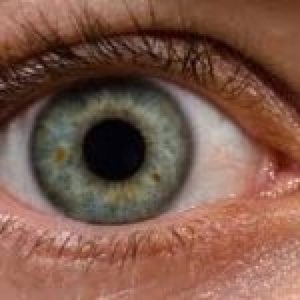
Some points to note include the following:
THE RISE OF SCREEN TIME
Today’s children spend more time with screens than any previous generation. Smartphones, tablets, laptops and televisions dominate their indoor hours, and in many places the average daily screen time for school-age children exceeds two hours outside school hours. Increased reliance on digital devices for learning and play has been accentuated since the global pandemic, when children were confined indoors and schooling shifted online. This shift, while necessary at the time, has contributed to rising concerns among pediatric and eye health specialists about the long-term effects on children’s physical and mental well-being.
MYOPIA AND EYE-HEALTH
This is one of the most pressing concerns tied to screen use in children. Myopia, commonly known as nearsightedness affects a person’s ability to see distant objects clearly, and children with early-onset myopia are more likely to need stronger vision correction as they grow older. Globally, more than one-third of children and adolescents are now nearsighted, and projections suggest that figure could rise to nearly 50percent by 2050. This trend has been most dramatic in urban regions of East Asia but is mirrored in many parts of the world.
SOME STATISTICS
Recent research has linked time spent looking at screens, especially close-up near work indoors with an increased risk of developing or worsening myopia. One large study found that each additional hour of daily screen time was associated with about a 21 percent higher chance of myopia in children and adolescents. Extended near focus and reduced outdoor activity are thought to play strong roles in this trend.
While science continues to understand the complete relationship between screens and eye changes, there is clear evidence that children who spend more time outdoors where the eyes focus at distance and the light is natural have lower rates of myopia. Eye care professionals often recommend at least two hours a day outside to support healthy visual development.
AVOIDABLE BLINDNESS AND VISION IMPAIRMENT
When you consider vision more broadly, it is important to understand that much of the blindness and visual impairment seen globally including among children, is avoidable. According to the World Health Organisation, at least one billion people worldwide have a vision impairment that could have been prevented or has not yet been addressed, and many of these cases are caused by uncorrected refractive errors like myopia or by conditions such as cataract.
Among children, millions live with conditions that limit their vision simply because they have not been screened, diagnosed, or treated.
Worldwide estimates suggest that about 19 million children under the age of fifteen have visual impairment, and approximately 1.4 million are blind, at least half of which could have been prevented or treated with basic eye care services.
In countries like Nigeria, studies suggest a significant burden of visual impairment among children. Research across multiple states estimated that visual impairment including mild, moderate, and severe forms affects several percent of school-age children, with refractive errors accounting for most cases.
Even though blindness among children in Nigeria is relatively rare, at about 0.2 percent, these figures represent real challenges for families and communities.
SCREENS AND ACADEMIC PERFORMANCE
Your concern for your child’s education is likely high on your list of priorities. There is growing evidence demonstrating that excessive screen time can negatively affect academic performance.
Children who spend long hours in front of screens especially without structure or balance tend to spend less time reading, less time in physical and social activities, and may experience difficulties with attention, communication and problem-solving skills. Excessive screen use has been linked to lower performance in language and cognitive development assessments, along with behaviours such as shortened attention span and distractibility.
For many children, screens occupy time that might otherwise be spent on reading books, discussing ideas with adults or peers, or engaging in creative play all experiences that build concentration, critical thinking and resilience. When you prioritise balanced activities, you support not only visual health but also learning skills that matter in classrooms and beyond.
A Practical Approach:
You cannot simply ban screens; they are part of modern life and learning. But you can help your child build healthy habits around their use.
PRACTICAL STEPS TO PROTECTION
Setting limits on recreational screen time and encouraging breaks during longer sessions.
Following simple habits, such as encouraging a child to look away from a screen every 20 minutes to focus on a distant object.
Prioritising outdoor play each day to support eye development and overall health.
Ensuring regular eye exams for early detection and correction of vision problems.
Balancing digital learning with traditional reading and interactive activities that strengthen cognitive skills.
CONCLUSION
What you do today to help a child manage screen time could have lasting influence on their eyesight, learning and well-being.
Excessive screens are not just entertainment devices, they are environmental factors shaping how children live, learn and grow. By taking a balanced, proactive approach, you can safeguard their vision, reduce the risk of avoidable blindness, and help them develop into healthy, engaged learners and citizens.
*Dr Priscilia Imade is CEO, Modern Eye Clinic, Lagos. E-mail: moderneyecliniclagos@gmail.com
Another edition of the column returns on Monday in The Frontier.